How to Fit Wheel Spacers: Benefits, Tools Needed & Common Issues
Mod Central
Share This Post
How to Fit Wheel Spacers: Benefits, Tools Needed & Potential Issues Wheel spacers are a popular modification for car enthusiasts looking to enhance their vehicle’s stance, handling, and appearance. But while they offer several benefits, proper installation is key to ensuring safety and performance. This guide covers everything you need to know about fitting wheel spacers, from the advantages they offer to the essential tools and potential challenges you may face. Visit our shop here to find a set of wheel spacers for your own car.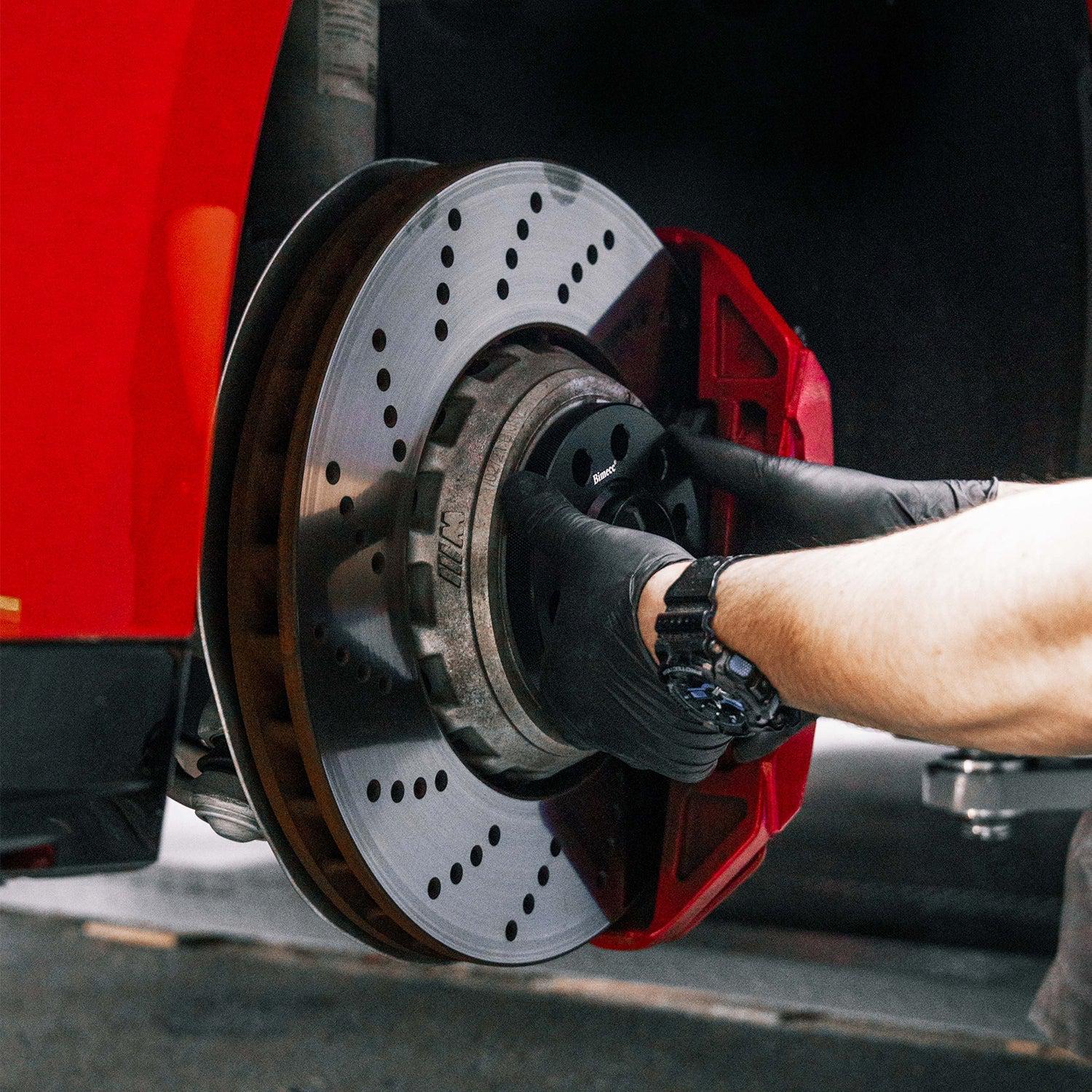
Benefits of Wheel Spacers
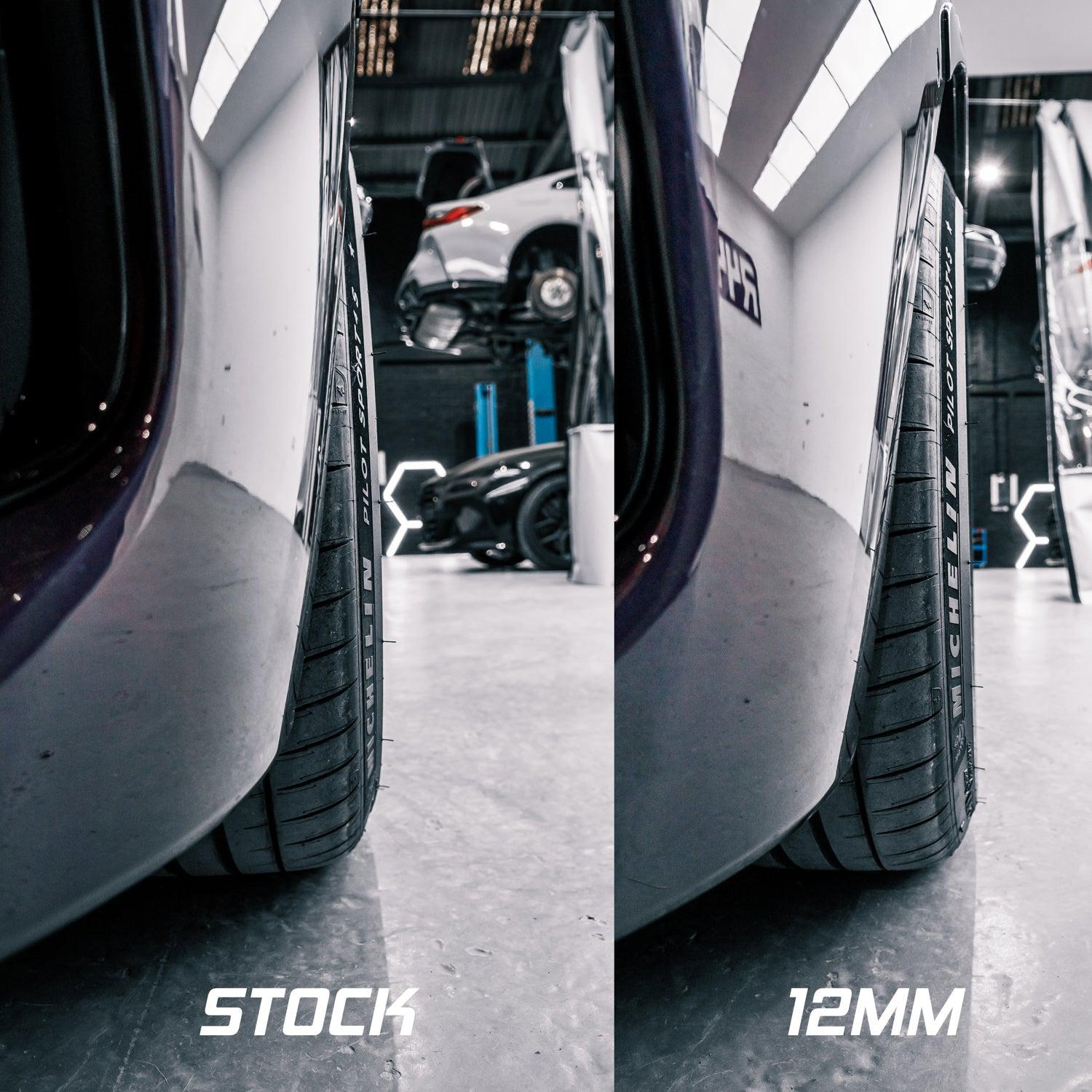
- Improved Stance and Aesthetic Appeal Wheel spacers push the wheels further out from the body, filling out the wheel arches and giving your car a wider, more aggressive stance. This aesthetic upgrade is often a top reason for installing spacers.
- Enhanced Stability and Handling By widening the track, wheel spacers improve stability, particularly during cornering. With a more balanced setup, the vehicle experiences less body roll, providing a more planted feel on the road.
- Better Brake Caliper Clearance For those upgrading to bigger brake calipers, wheel spacers can help create the necessary clearance between the wheel and the brake assembly. This allows for performance upgrades without compromising safety.
Tools and Hardware Needed
To fit wheel spacers, you’ll need the following tools and hardware:- Wheel Spacers: Ensure they’re the correct size and bolt pattern for your vehicle.
- Extended Wheel Bolts or Studs: Necessary to accommodate the extra width added by the spacers.
- Torque Wrench: To tighten bolts to manufacturer-recommended torque specifications.
- Breaker Bar or Impact Wrench: Useful for removing and tightening bolts.
- Jack and Jack Stands: For safely lifting the vehicle.
- Anti-Seize Compound: Helps prevent corrosion and ensures easier removal in the future.
Step-by-Step Guide to Fitting Wheel Spacers
- Park on a Flat Surface and Engage the Parking Brake Begin by parking on level ground and securing your vehicle with the parking brake.
- Lift the Vehicle and Remove the Wheel Use a jack to lift the car and place it securely on jack stands. Then, remove the wheels where you’ll be installing spacers.
- Clean the Hub and Spacer Contact Points Ensure the hub and spacer surfaces are free from dirt and rust. A clean contact surface ensures that the spacers sit flush against the hub.
- Install the Spacer Position the spacer on the hub, ensuring it aligns correctly with the bolt pattern. Some spacers may come with hub-centric rings to provide a snug fit.
- Attach the Wheel Using Extended Bolts or Studs Install the wheel back onto the hub using extended bolts or studs. Tighten them in a crisscross pattern to evenly distribute the pressure.
- Torque the Bolts Lower the vehicle slightly, allowing the wheels to make slight contact with the ground. Use a torque wrench to tighten each bolt to the recommended specifications.